Trovidur EC-N
Trovidur EC-N is a free-cutting, RoHS-compliant PVC-U engineering plastic available in rod and sheet formats, suitable for machined and fabricated components requiring a service temperature range of -20°C to 60°C.
Specifications
- Minimum Operating Temperature
- -20°C
- Maximum Operating Temperature
- 60°C
- Food Grade
- No
- Drinking Water Approved
- No
- Tensile Strength (MPa)
- 50
- Thermal Expansion (µm/m.K)
- 70
- Coefficient of Friction
- N/A
- Chemical Resistance
- Low
- Formats Available
- Rod, Sheet
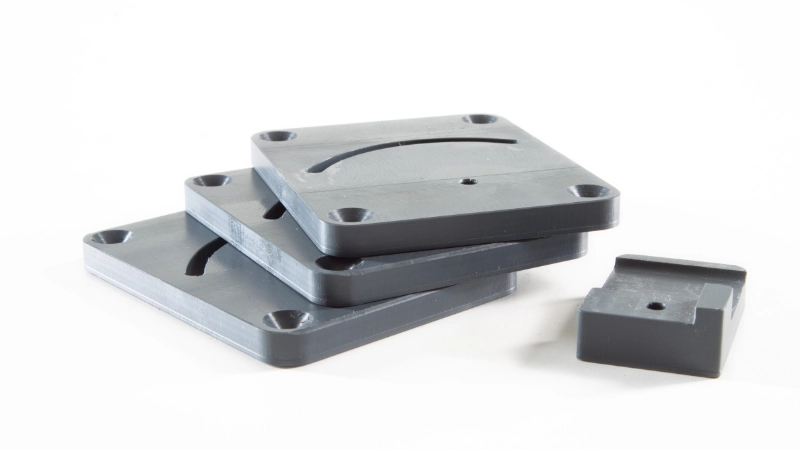
Trovidur EC-N is a rigid, unplasticised polyvinyl chloride (PVC-U) grade developed for industrial machining and fabrication. It complies with RoHS directives and offers a self-extinguishing behaviour that enhances safety in electrical and building applications.
This material provides a reliable balance of mechanical strength and ease of processing. With a tensile strength of 50 MPa and a coefficient of thermal expansion of 70 × 10⁻⁶ K⁻¹, it is well suited to precision parts that must maintain dimensional stability under moderate thermal loads.
Dotmar supplies Trovidur EC-N as part of a comprehensive range of engineering plastics, backed by technical support and machining expertise. The material’s ready availability in rod and sheet form ensures fast turnaround for both prototyping and production runs.
Key Features
- Service temperature range: -20°C to 60°C
- Tensile strength: 50 MPa
- Thermal expansion coefficient: 70 × 10⁻⁶ K⁻¹
- Available formats: rod and sheet
- Self-extinguishing, RoHS compliant
- Low chemical resistance
Trovidur EC-N Applications & Uses
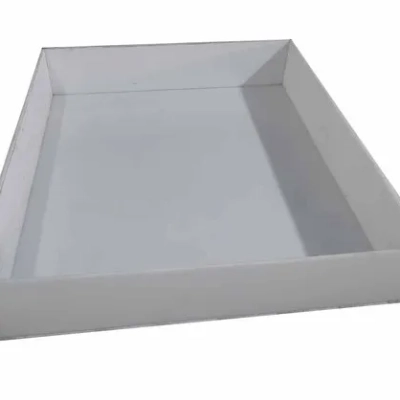
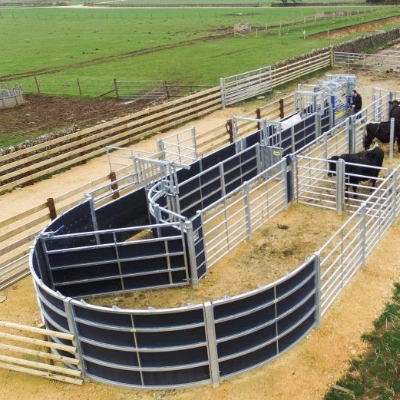
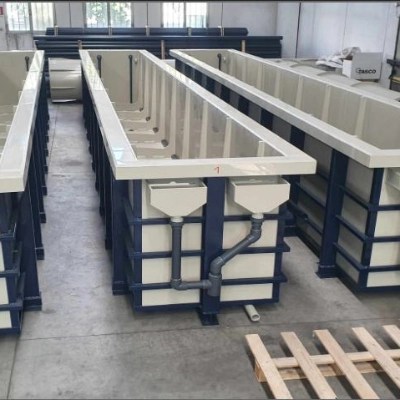
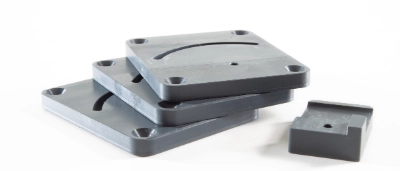
Trovidur EC-N is commonly selected for electrical insulators, junction boxes, cable ducts, and control-panel components where self-extinguishing properties are critical. It is also used for mechanical guards, mounting plates, jigs, and fixtures in general engineering. In the construction and chemical sectors, it appears in vent ducts, fume-cupboard linings, and tank covers, especially where moderate temperatures and occasional chemical contact are encountered. Other typical applications include sign-making, display stands, and food-industry machine parts that do not require high chemical resistance.