Ertalyte TX PET-P Material
Ertalyte TX is a self-lubricating PET-P engineering plastic, reliably used for industrial bearing and wear applications.
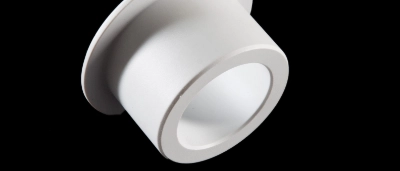
Specifications
- Minimum Operating Temperature
- -20°C
- Maximum Operating Temperature
- 100°C
- Food Grade
- Yes
- Drinking Water Approved
- No
- Tensile Strength (MPa)
- 76
- Thermal Expansion (µm/m.K)
- 65
- Coefficient of Friction
- 0.15
- Chemical Resistance
- Medium
- Formats Available
- Rod, Sheet
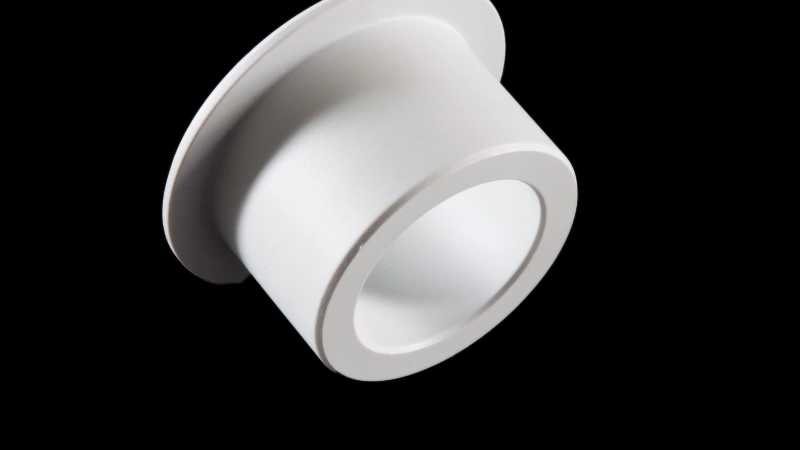
Ertalyte TX is a specialised polyethylene terephthalate (PET-P) grade that incorporates a solid lubricant for inherent self-lubrication. This material offers a low coefficient of friction of 0.15, enabling smooth operation in dynamic components without the need for external grease or oil.
With a tensile strength of 76 MPa and an operating temperature range from -20°C to 100°C, Ertalyte TX provides consistent mechanical performance across common industrial conditions. Its medium chemical resistance and predictable thermal expansion coefficient of 65 further support its use in precision machine parts.
Dotmar supplies Ertalyte TX in rod and sheet forms, backed by decades of experience in engineering plastic stock shapes, machining, and fabrication. Australian customers benefit from local technical support and custom processing to meet exact application demands.
Key Features
- Self-lubricating design eliminates need for external lubrication
- Low coefficient of friction of 0.15
- Tensile strength of 76 MPa
- Service temperature range from -20°C to 100°C
- Thermal expansion coefficient of 65
- Medium chemical resistance
- Supplied in rod and sheet formats
Ertalyte TX PET-P Material Applications & Uses
Ertalyte TX is widely used for bushings, wear pads, guides, and thrust washers in machinery where consistent low-friction performance is required. The self-lubricating property makes it ideal for applications involving intermittent or difficult-to-access lubrication points.
Typical industries include food processing equipment, packaging machinery, materials handling, and general industrial automation. It is particularly suited to dry-running conditions where metal-to-plastic or plastic-to-plastic contact occurs.