Ertacetal C
Ertacetal C is an unreinforced polyoxymethylene (POM-C) homopolymer acetal grade offering a continuous service temperature range of -50°C to 100°C, a tensile strength of 66 MPa, and a low coefficient of friction of 0.3. It combines excellent machinability with low moisture absorption, making it a reliable choice for precision components in food-contact and medical applications.
Specifications
- Minimum Operating Temperature
- -50°C
- Maximum Operating Temperature
- 100°C
- Food Grade
- Yes
- Drinking Water Approved
- No
- Tensile Strength (MPa)
- 66
- Thermal Expansion (µm/m.K)
- 110
- Coefficient of Friction
- 0.3
- Chemical Resistance
- Medium
- Formats Available
- Rod, Sheet
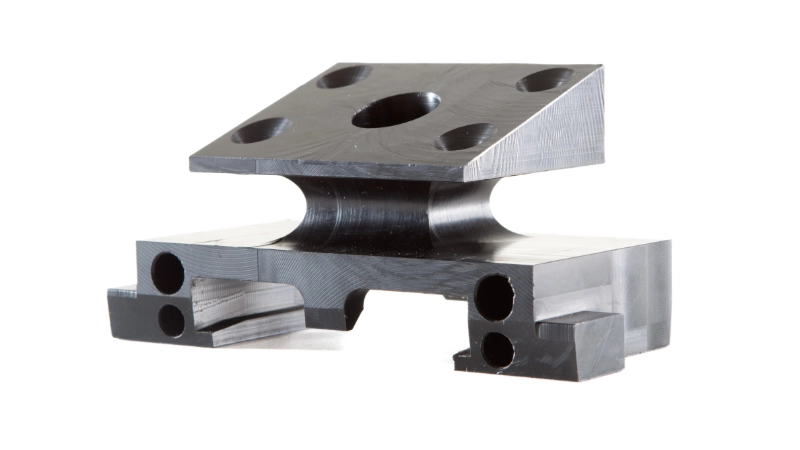
Ertacetal C is an unfilled acetal copolymer (POM-C) engineered for consistent mechanical performance across a wide service temperature range. It provides a tensile strength of 66 MPa, a low coefficient of friction (0.3) and dependable dimensional stability, making it a practical choice for precision components.
With a continuous-use temperature span from -50 °C to 100 °C and medium chemical resistance, Ertacetal C suits applications where both thermal resilience and moderate chemical exposure are expected. Its low moisture uptake helps maintain tight tolerances in humid or wet environments, while the material's inherent machinability allows rapid prototyping and production on standard metalworking equipment.
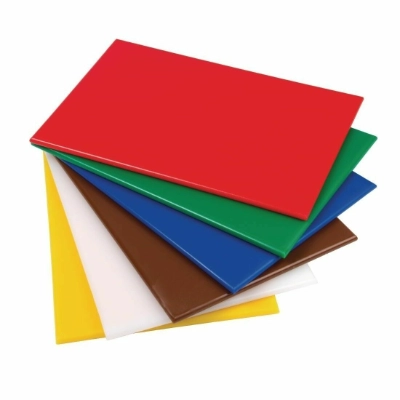
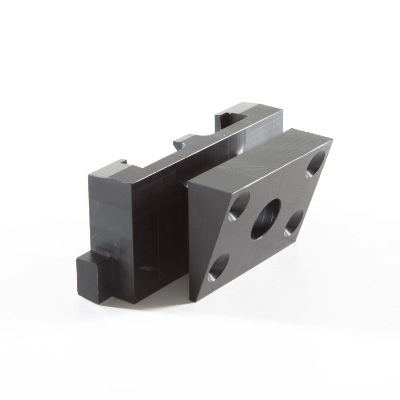
Dotmar stocks Ertacetal C in rod and sheet formats and can supply cut-to-size pieces or fully machined parts. Australian customers benefit from local inventory, technical support and prompt delivery, ensuring project timelines are met without compromise on material quality.
Key Features
- Service temperature range: -50 °C to 100 °C
- Tensile strength: 66 MPa
- Coefficient of friction: 0.3
- Thermal expansion: 110 x 10⁻⁶ K⁻¹
- Medium chemical resistance
- Low moisture absorption
- Available in rod and sheet
Ertacetal C Applications & Uses
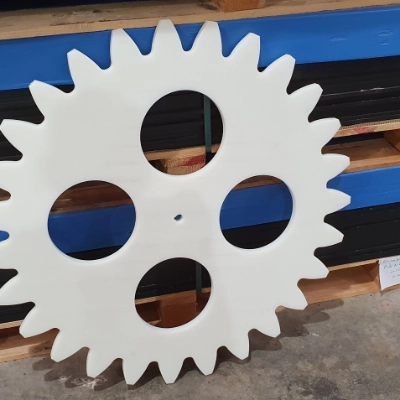
Ertacetal C is widely used in food processing equipment, medical devices, pharmaceutical machinery and general engineering. Typical components include gears, bearings, wear strips, valve seats, pump housings and conveyor parts where a combination of low friction, dimensional stability and compliance with food-contact regulations is required.