What are Goat Hair Removal & Cleaning Pads?
Goat hair removal and cleaning pads are specialised components used in abattoir and meat processing operations to remove residual hair and surface contamination from carcasses during processing. These pads must gently but effectively grip the carcass to lift hair and dirt without damaging the meat.
To perform reliably in this environment, the material needs to combine softness and compliance with high abrasion resistance and toughness, enabling consistent cleaning performance while withstanding constant contact, friction, and washdown conditions typical of food processing facilities.
Benefits of Polyurethane Hair Removal and Cleaning Pads:
Polyurethane hair removal and cleaning pads offer significant advantages over many alternative materials, particularly in demanding food‑processing environments. Polyurethane provides an optimal balance of soft, grippy surface characteristics and excellent abrasion resistance, resulting in improved cleaning effectiveness and significantly extended service life. Compared to alternative materials used in this application, the polyurethane pads demonstrated lower wear rates and no failures, reducing unplanned downtime and replacement frequency.
By choosing a polyurethane solution designed and supplied by Dotmar, operators benefit from longer‑lasting components, improved process reliability, and reduced total cost of ownership—making polyurethane pads a superior long‑term alternative to standard OEM products.
Dotmar’s Capabilities: Why They Are the Best Choice
Dotmar’s expertise in engineered polymers enables the development of application‑specific solutions rather than one‑size‑fits‑all replacements. In this case, Dotmar assessed the functional requirements of the application—including grip, wear resistance, toughness, and service life—and selected a polyurethane material with an appropriate hardness to outperform the original OEM components.
With local manufacturing capability, deep material knowledge, and the ability to test and refine designs, Dotmar can respond quickly to wear issues, improve existing component designs using alternative materials, and deliver reliable solutions aligned precisely with customer performance goals. Importantly, Dotmar can produce components in very small minimum order quantities, often as low as a single unit, providing customers with flexibility that overseas OEM suppliers typically cannot offer.
Combined with faster lead times, lower minimum quantities, and in many cases a substantially lower cost than imported OEM alternatives, this engineering‑led approach ensures parts are optimised for real‑world operating conditions—not just nominal specifications.
Contact us
Dotmar Engineering Plastics stands poised to address your unique challenges. Harness our expertise for bespoke engineering plastic solutions tailored to your specifications.
Insights
Comparing the technical and commercial benefits of Polystone P CubX for rectangular plastic fabricated tanks and vessels
Cooling Tunnel for Hot Filling Line

Sentinel Boats: Pioneering Defence Durability with Polystone PG100 HDPE
Smart Poly Trailers: Pioneering Plastic Trailers Built from Polystone 300
Cooling Tunnel for Hot Filling Line
Dotmar Victoria Receives PACCAR Kenworth Quality Award
Why use Engineering Plastic Bearings and Bushes?
Plastic Abbreviations
Plastics Properties Table

Plastics Designing for Thermal Expansion
Chain Tension-Right, or Short Chain Life
Polystone CubX A Revolution in Rectangular Thermoplastic Tanks
UHMWPE-Why Does Molecular Weight matter?
High‑Performance Coated Fabrics & Conveyor Belting

Low Friction Wear Pads
Polystone G Checkerplate - Boat Applications
Life of Mick De Reus
Sentinel Boats: Pioneering Defence Durability with Polystone PG100 HDPE
What Is PTFE? Engineering Guide to Polytetrafluoroethylene
What is Nylon
Vibratory Conveyor Systems in the Food Industry
How Is Nylon Produced? Complete Engineering Manufacturing Guide

Rochling-Reloop: Leading the Way in Sustainable Plastics
High‑Performance Coated Fabrics & Conveyor Belting
PTFE Coated Glass Fabric – Tortilla & Flat Bread baking Applications
Nylon – The Great All-Rounder of Engineering Plastics
Conveyor Products & Total Solutions for the Food and Beverage Processing & Packaging Industries
Resistawear: Low Friction and Abrasion Resistant Tape
Plastic Machine Guarding - Managing the Risks of Plant in the Workplace
Polystone G Checkerplate - Boat Applications
Dotmar PTFE: Benefits & Capabilities
Fibre Composite Vibratory Springs: High-Performance Spring Technology for Modern Vibratory Systems
PETP - The Engineering Plastic That Excels in Bearing Wear Applications
Why Local Manufacturing is the Smarter Choice in 2025
Dotmar Injection Moulding
Dotmar Victoria Receives PACCAR Kenworth Quality Award
Dotmar Engineering Plastics Acquires Kormax Plastics Division
Computaleta
Joins MM Plastics to Strengthen Market Reach and Customer Support in New
Zealand
Dotmar Engineering
Plastics Expands Capabilities with Fluoro Pacific Consolidation
Dotmar Victoria Receives PACCAR Kenworth Quality Award
What Is PTFE? Engineering Guide to Polytetrafluoroethylene
What is Nylon
Vibratory Conveyor Systems in the Food Industry
How To Cut Polycarbonate Sheet
How Is Nylon Produced? Complete Engineering Manufacturing Guide
High‑Performance Coated Fabrics & Conveyor Belting
Plastic Machine Guarding - Managing the Risks of Plant in the Workplace
Polystone G Checkerplate - Boat Applications
Fibre Composite Vibratory Springs: High-Performance Spring Technology for Modern Vibratory Systems
Life of Mick De Reus
Water Absorption of Nylons Pros, Cons and Busting Myths
Tips for Turning and Drilling Engineering Plastics

Significantly Reduce Your Hangup and Carryback to Optimise Your Mining Operations
What Is PTFE? Engineering Guide to Polytetrafluoroethylene
Why use Engineering Plastic Bearings and Bushes?
Plastic Abbreviations
Plastics Properties Table
Plastics Designing for Thermal Expansion

Antistatic vs Static Dissipative Plastics
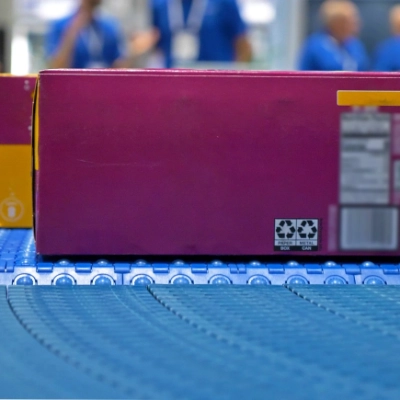
REXNORD curve system with 1540 series MatTop
Polystone CubX A Revolution in Rectangular Thermoplastic Tanks

Plastic Technical Tip-Water absorption in Nylon
Performance Pyramid
UHMWPE-Why Does Molecular Weight matter?
HDPE vs PP vs PVC
What is Nylon
Vibratory Conveyor Systems in the Food Industry
Understanding Friction in Plain Bearings and Bushes
Understanding PFAS and the Role of “Polymers of Low Concern” in Engineering Plastics
Sustainability in Practice: Recycling Plastics at Dotmar Injection
Moulding
How To Cut Polycarbonate Sheet
How Is Nylon Produced? Complete Engineering Manufacturing Guide
High‑Performance Coated Fabrics & Conveyor Belting
Dual-Finish HDPE Sheet: One Surface, Two Smart Benefits